Retro Games · thinking games in the palm of your hand
Retro Games
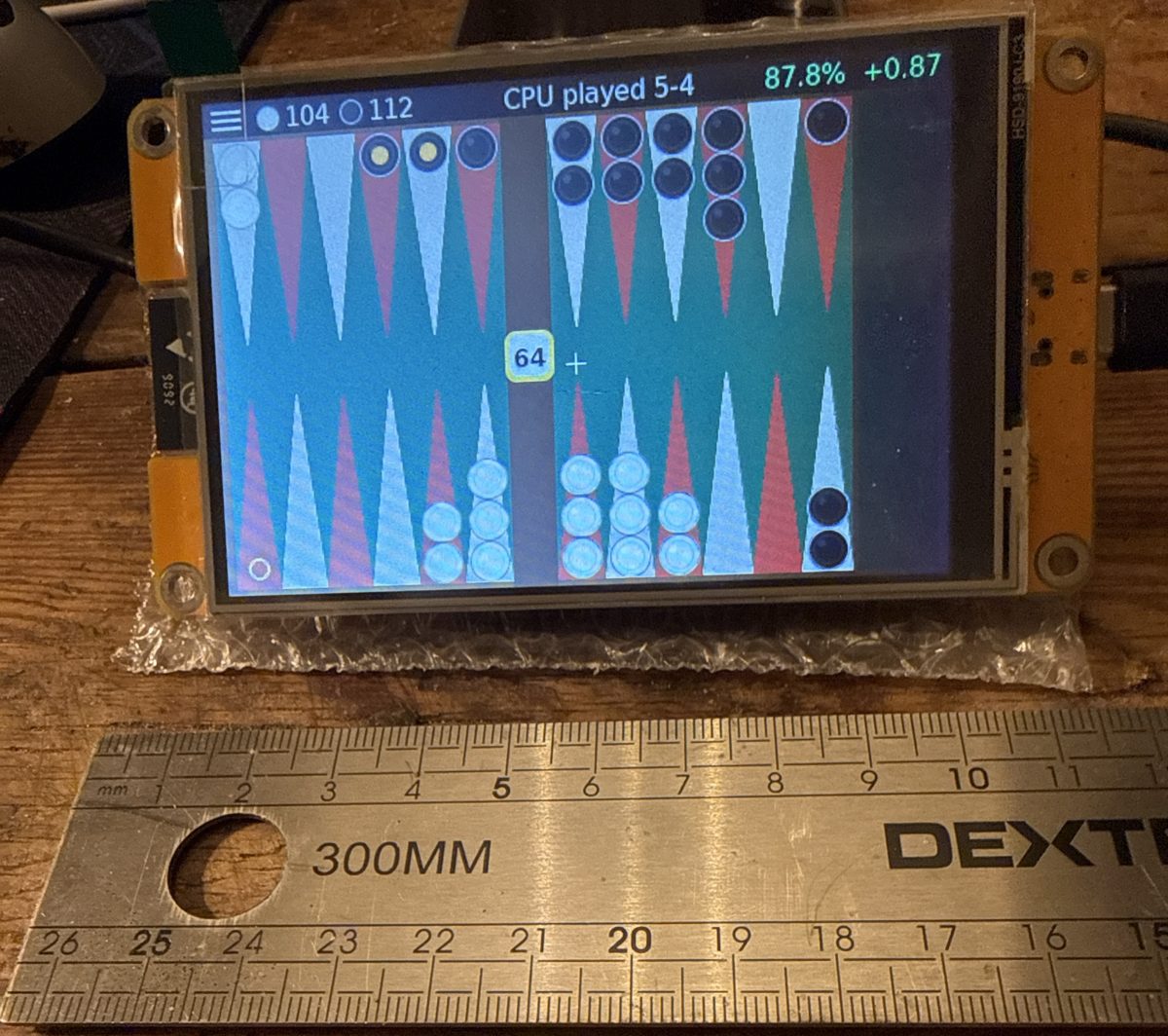
Remember the hand-held computer games of the 1980s — the little chess, backgammon and checkers machines that sat on the kitchen table and actually thought? Retro Games brings them back, the way they should have been: a real game-playing brain, squeezed onto a cheap microcontroller with a full-colour touch screen.
Everything runs on the board itself — no PC, no phone, no Wi-Fi, no cloud. And the hardware is tiny by today's standards, which is half the fun: getting a strong opponent into a few hundred kilobytes is the same craft those 1980s programmers practised.
- ESP32 / ESP32-S3 · 32-bit, 240 MHz
- Half a megabyte of RAM
- 4–16 MB flash
- 2–7″ colour touch screens
- From about €23 of hardware
The games
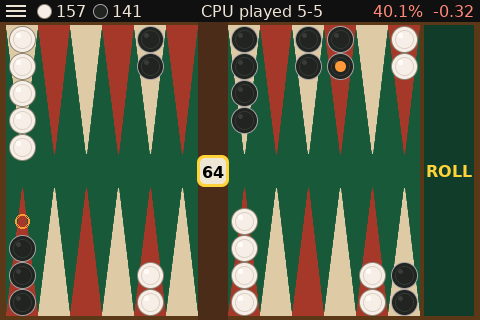
Retro Backgammon →
A neural-network opponent from Backgammon-NN, with the doubling cube, hints and undo. Free on GitHub.
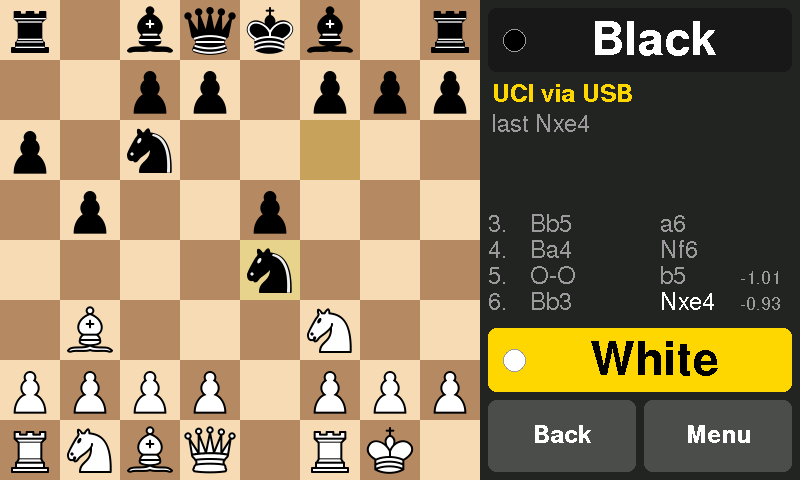
Chess System Tal Retro →
A chess computer with a neural-network engine, clocks and take back, on ESP32 touch screens from 2 to 7 inches. Free on GitHub.
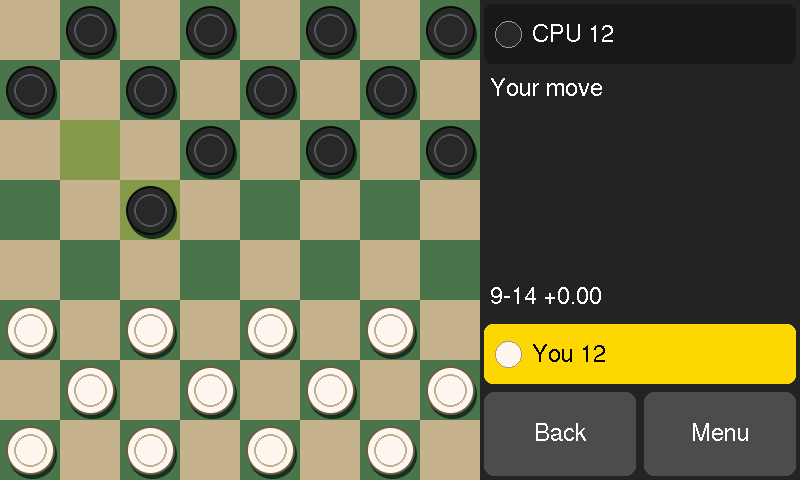
Retro Checkers →
Checkers against a neural-network engine with an endgame database, hints and ten levels, on four ESP32 touch-screen boards. Free on GitHub.
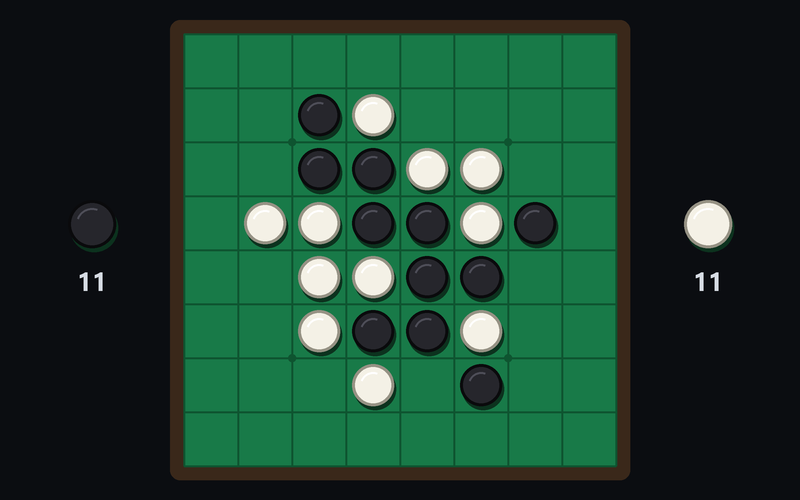
Retro Othello
Sixty-four squares, two colours, and a game that turns round on the last few moves. A natural fit for a small machine: it can play the end of the game perfectly.
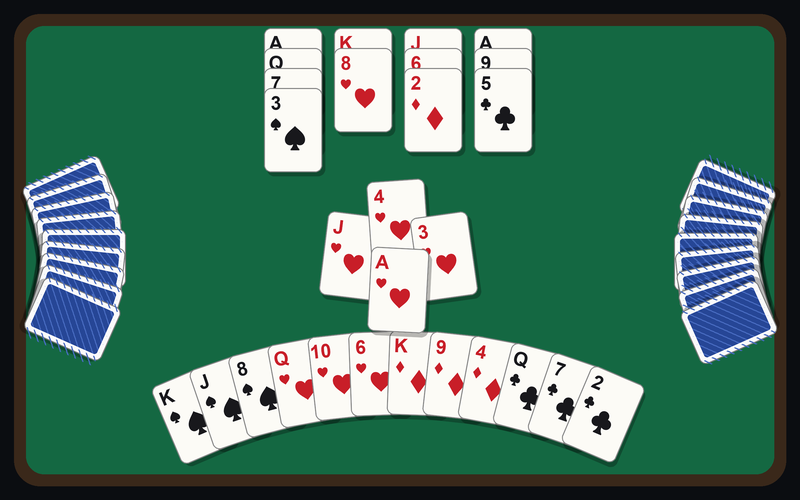
Retro Bridge Player
Bidding, declarer play and defence against three computer players, on one small screen. This one is going to be difficult.
What's coming, and how hard it is
Retro Othello should be the friendly one. The board is small, every move is a whole-board calculation a microcontroller does quickly, and for the last moves of the game the machine can simply work it out to the end.
Retro Bridge Player is the hard one, and it may take a while. Chess, backgammon, checkers and Othello all show both players everything; bridge hides three quarters of the cards. The machine has to bid sensibly with a partner, work out from the auction and the play who is likely to hold what, and then play a hand as declarer or defender — four seats, one honest brain for each, none of them peeking. Add thirteen cards, a dummy, a trick and a bidding box on a screen a few inches across, and all of it on a chip with half a megabyte of memory. Bridge was always the hardest of these games to get a small machine to play well. We'd like to try.